What Happens During a Periodontal Treatment Appointment?
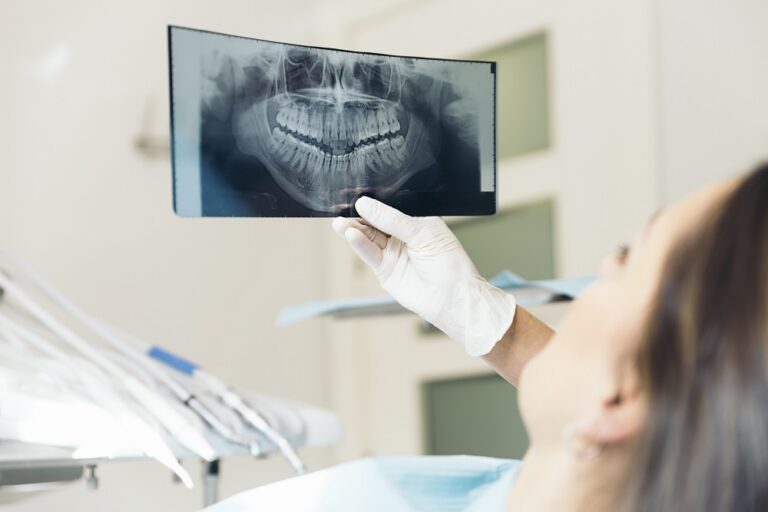

A periodontal treatment appointment is rarely as dramatic as patients imagine, but it is more involved than a routine dental cleaning. If you have been told you need periodontal care, you are usually dealing with gum inflammation, deeper pockets around the teeth, tartar buildup below the gumline, bleeding, recession, or early bone loss. The goal of the visit is straightforward: stop the disease process, reduce bacteria, make the tissues healthier, and give you a realistic path to keeping your teeth long term.
Most people walk in with one of two concerns. They either fear pain, or they worry they have somehow failed at home care. In practice, neither assumption is usually accurate. Periodontal disease can develop even in people who brush every day, especially if they have crowded teeth, older dental work that traps plaque, a smoking history, dry mouth, diabetes, hormonal changes, or simply a strong genetic tendency toward gum problems. A periodontal treatment appointment is less about blame and more about getting ahead of something that tends to worsen quietly if left alone.
Why periodontal care feels different from a regular cleaning
A standard cleaning focuses on removing plaque and tartar above the gumline and in shallow, healthy areas. Periodontal treatment goes deeper. When gum tissue is inflamed, it pulls away from the tooth and forms pockets. Those pockets become protected spaces where https://cruzxtzu519.ironwoodscope.com/posts/periodontal-treatment-and-dental-implants-protecting-your-investment bacteria thrive. A toothbrush cannot reach them well, and even floss is limited once the pocket depth increases.
That is why the appointment often feels more clinical and more targeted. The hygienist or periodontist is not only polishing the visible surfaces. They are treating infection below the gumline, where the real damage occurs. If bone has started to shrink around the teeth, the stakes are higher. Bone loss is not something patients usually feel in the moment, but once enough support is gone, teeth can loosen, shift, and become much harder to save.
In an everyday setting, this is one of the most common surprises patients face: gums can look "mostly fine" in the mirror and still have significant disease. Mild soreness may come and go. Bleeding may seem normal because it has happened for years. A bad taste or chronic puffiness may become easy to ignore. Periodontal disease often moves slowly enough that people adapt to it. The appointment is where that quiet pattern gets measured and addressed.
What usually happens before treatment begins
The first part of the visit is often more detailed than patients expect. If you are seeing a new provider or starting active periodontal treatment after years of routine care, the team may review your medical history carefully. This matters because your gums do not exist in isolation. Blood pressure medications, blood thinners, immunosuppressive drugs, osteoporosis medications, diabetes status, pregnancy, and smoking history can all affect how treatment is planned and how tissue heals afterward.
A full periodontal charting is often part of the workup. This involves measuring the space between the tooth and the gum with a small probe. Healthy measurements are generally lower, while deeper numbers suggest attachment loss or active inflammation. Dentists and hygienists also look for bleeding points, gum recession, loose teeth, exposed root surfaces, furcation involvement between roots of molars, and signs that old fillings or crowns are trapping plaque.
X-rays frequently play a role as well. They help show the level of bone support and can reveal tartar deposits under the gumline that are not obvious on visual inspection alone. If someone has localized swelling or a history of repeated infections in one area, imaging can also help distinguish between gum disease and a separate dental problem such as a crack, root fracture, or abscess.
At this stage, the provider usually explains what kind of periodontal treatment is being recommended. For many patients, that means scaling and root planing, sometimes called a deep cleaning. For others, especially those with advanced disease, the plan may involve localized antibiotic therapy, reevaluation visits, more frequent maintenance, or referral to a periodontist for surgical treatment.
The conversation about numbness, comfort, and anxiety
One of the biggest misconceptions about periodontal treatment is that everyone has to "tough it out." Good offices do not work that way. If treatment involves cleaning deep, sensitive root surfaces under inflamed gums, local anesthetic is often offered and frequently recommended. Not every patient needs it to the same extent. Someone with mild localized disease may tolerate treatment well with only a topical numbing gel or minimal anesthetic. A patient with generalized deeper pockets and exposed roots often does much better when thoroughly numb.
The decision is part clinical, part personal. Inflamed tissue can be surprisingly tender. Root surfaces also feel different from enamel. When tartar is attached deep below the gumline, removing it takes precision and pressure. Patients who have had difficult dental experiences in the past often relax significantly once they understand they will not be expected to endure unnecessary discomfort.
If dental anxiety is part of the picture, it helps to say so early. A simple adjustment, such as breaking the treatment into smaller visits, using more anesthetic time, adding frequent pauses, or planning appointments at a calmer time of day, can change the entire experience. The appointment tends to go better when everyone is honest about stress, sensitivity, and prior bad memories.
What scaling and root planing actually involves
Scaling and root planing is the backbone of nonsurgical periodontal treatment. The wording sounds technical, but the concept is practical. "Scaling" means removing plaque, tartar, and bacterial toxins from tooth surfaces above and below the gumline. "Root planing" means smoothing the root surface so the gum tissue can heal and reattach more effectively.
The clinician usually works section by section rather than attempting the whole mouth in one sitting, especially when disease is moderate to advanced. It is common to divide treatment into two visits, treating one side of the mouth at a time, or into four quadrants if the case is extensive and sensitivity is expected. This approach allows for better anesthesia, better visibility, and a less tiring experience for the patient.
In the chair, you may hear both ultrasonic and hand instruments being used. Ultrasonic devices vibrate at high frequency and flush the area with water. They are efficient for breaking up larger deposits and irrigating pockets. Hand scalers and curettes are then used to refine the root surface and remove tenacious material in areas that require more tactile control. The rhythm of treatment often alternates between the two.
Patients often notice pressure more than sharp pain, especially if numb. They may also hear scraping sounds and feel the suction working constantly to control water and debris. If inflammation has been significant, there can be a metallic taste from minor bleeding. That tends to improve quickly as the bacterial load is reduced.
A typical deep cleaning visit may include several key steps:
- Review of the treatment plan, current symptoms, and any medical updates.
- Numbing of the areas being treated, when needed for comfort.
- Removal of tartar and bacterial buildup from beneath the gums.
- Smoothing of root surfaces and irrigation of the treated pockets.
- Home care instructions and a plan for reevaluation.
That sequence sounds simple on paper, but the skill lies in the details. Some roots are narrow and curved. Molars may have difficult anatomy between the roots. Heavier tartar can be hidden in areas where the gums have receded. Old crown margins can complicate access. Effective periodontal treatment is not just about removing debris, it is about doing so thoroughly enough that inflamed tissue has a chance to recover.
What you may feel during the appointment
The sensation depends on how advanced the disease is, how much tartar is present, where the deposits sit, and whether local anesthetic is used. A mildly affected area may feel like a more intense version of a regular cleaning. A more involved case can feel longer and more substantial, especially if the deposits extend far below the gumline.
Once numb, most patients report pressure, vibration, and a sense of movement rather than pain. Areas with recession can be sensitive during and after treatment because root surfaces do not have the same protective enamel covering as the visible crown of the tooth. Water used with ultrasonic instruments can also make teeth feel cold if areas are not fully anesthetized.
Jaw fatigue is another common complaint, especially during longer appointments or when working on back teeth. Good clinicians try to pace the visit to prevent that problem from building. A short break to close, swallow, or rest the jaw can make a meaningful difference.
People are often surprised by how inflamed areas behave during treatment. Gums that bleed easily before treatment may actually look calmer by the end of the visit because the irritating deposits have been removed. The tissue is still healing, but the cause of the constant irritation has started to come off the tooth.
When antibiotics or localized medications are part of the plan
Not every periodontal treatment appointment includes antibiotics. In fact, many successful cases do not require them at all. Mechanical removal of the bacterial film and tartar is the primary treatment. That said, there are situations where your dentist or periodontist may recommend an antimicrobial rinse, a locally placed antibiotic in a specific pocket, or systemic antibiotics if the infection pattern, medical history, or tissue response suggests extra support is warranted.
Clinical judgment matters here. A patient with one isolated stubborn deep pocket may benefit from a localized medication. Someone with generalized chronic periodontitis may improve very well with scaling and root planing alone, followed by careful maintenance. Someone with an aggressive pattern of disease, recurrent infections, or significant systemic risk factors may need a more layered approach.
The important point is that antibiotics are not a substitute for cleaning the root surface. If the bacterial habitat remains intact under the gum, medication alone rarely solves the problem for long.
If a periodontist is involved
General dentists and dental hygienists manage a great deal of periodontal treatment successfully, especially in mild to moderate cases. A periodontist, however, has advanced training in gum disease, bone support, regenerative procedures, gum grafting, and implant-related tissue issues. Referral is common when the case is advanced, the response to initial therapy is limited, or surgical correction may be needed.
A periodontal specialist may repeat some measurements and review previous records before proceeding. This does not mean the first exam was unnecessary. It reflects the level of detail involved when deciding whether surgery, regeneration, grafting, or long-term stabilization is realistic. If pockets remain deep after nonsurgical treatment, surgery may be considered to improve access, reshape tissue, reduce pocket depths, or address bony defects directly.
Patients sometimes assume being referred means they have done something terribly wrong. Usually it means the team is trying to preserve teeth carefully rather than take a wait-and-see approach that lets support erode further.
Right after the appointment
The immediate aftermath is generally manageable. If anesthetic was used, your lips, tongue, or cheek may stay numb for a few hours. During that time, it is wise to avoid chewing until sensation returns. Once the numbness wears off, mild soreness is common, especially along the gumline and on exposed roots. The teeth may feel cleaner but also slightly more sensitive to temperature.
Some bleeding or pink saliva is expected on the day of treatment, especially if inflammation was significant to begin with. That should taper quickly. Gums may also appear a little shrunken over the next several days. Patients sometimes worry when they notice this, but what they are often seeing is not new damage, it is swollen tissue settling down now that the irritants are gone. Teeth can briefly look a little longer because the puffiness has resolved.
Home care instructions matter a great deal during this period. Most offices advise gentle but thorough brushing, careful cleaning between the teeth, and use of any prescribed rinse exactly as directed. Skipping brushing because the gums feel tender usually backfires. Plaque can begin rebuilding quickly, and healing tissue does better in a clean environment.
A few practical expectations after periodontal treatment are worth keeping in mind:
- Mild soreness and temporary sensitivity are common for several days.
- Light bleeding the first day can occur, especially when brushing.
- Cold air or cold drinks may bother exposed root surfaces temporarily.
- Gums often look less swollen and healthier within one to two weeks.
- A follow-up visit is essential to see how well the tissue responded.
Patients often ask whether they can eat normally afterward. Soft foods are usually more comfortable for the rest of the day if tenderness is present. Yogurt, eggs, soups that are not too hot, cooked vegetables, fish, pasta, oatmeal, and smoothies tend to be easy choices. Very crunchy foods, spicy foods, and seeds can irritate the area early on. If your mouth is still numb, the main concern is accidental biting rather than the food itself.
The reevaluation visit is where the real picture emerges
One of the most important parts of periodontal treatment happens after the cleaning appointment, not during it. Once the tissue has had time to heal, the provider rechecks pocket depths, bleeding, inflammation, and your ability to keep the areas clean. This follow-up often happens in about four to six weeks, though timing varies.
This is where expectations need to be realistic. A deep cleaning is not cosmetic polishing. It is therapeutic care for an active infection. Some pockets shrink beautifully once the inflammation is removed and the patient improves home care. Other sites improve only modestly because bone loss, anatomy, smoking, diabetes, or difficult molar root shape limits the tissue response. A six millimeter pocket may reduce to four. An isolated seven millimeter area may remain problematic and need specialist attention. Progress is often meaningful without being perfect.
That nuance matters. Patients sometimes think the treatment "failed" if every number does not return to ideal. In reality, reducing bleeding, lowering bacterial load, shrinking pockets, and stabilizing attachment levels can dramatically improve the long-term outlook even if a few difficult sites remain under close watch.
How periodontal maintenance differs from regular cleanings
After active periodontal treatment, many patients move to periodontal maintenance rather than standard six-month cleanings. This is one of the most misunderstood transitions in dental care. The reason is not billing semantics, it is biology. Once you have had periodontitis, you remain more vulnerable to recurrence. The tissues may look better, but the history matters.
Maintenance visits are usually recommended every three to four months, at least initially. That schedule is based on how quickly bacterial populations can repopulate deeper areas and how much benefit comes from disrupting them before inflammation builds again. At those visits, the team checks pocket depths, bleeding, mobility, plaque control, and areas that have a tendency to relapse. The cleaning itself is also more focused on below-the-gum maintenance than a routine prophylaxis.
Patients who stick to maintenance often notice something simple but important: their gums stop feeling unpredictable. Bleeding becomes less common. Breath improves. Tender flare-ups decrease. The mouth starts to feel steadier.
Situations that can make treatment more complex
No two periodontal treatment appointments are identical. A smoker with generalized deep deposits and recession presents differently from a younger patient with localized inflammation around crowded lower front teeth. Someone with diabetes may heal well when blood sugar is controlled and less predictably when it is not. A patient with extensive bridgework or older crowns can have plaque traps that make both treatment and home care harder.
There are also technical variables. Furcation involvement in molars, where bone loss exposes the area between roots, can be especially challenging. Deep narrow pockets on back teeth are difficult to clean even for skilled professionals. Teeth with root grooves, enamel projections, or heavy restorative margins can behave as chronic trouble spots. In those cases, the treatment plan may need to balance what is ideal against what is realistically maintainable.
This is where professional experience shows. Sometimes the best choice is repeating localized nonsurgical therapy. Sometimes it is surgery. Sometimes the tooth can be kept stable for years with disciplined maintenance. Sometimes the honest recommendation is that saving it will be costly, uncomfortable, or unlikely to succeed. Good periodontal care involves that kind of judgment, not a one-size-fits-all script.
What patients can do to make the appointment go better
Preparation helps, especially if you are nervous. Eat beforehand unless your office tells you otherwise. Bring an updated medication list. Mention if you have a history of fainting, difficulty getting numb, jaw pain, or past dental trauma. If you usually take longer to feel anesthetic, say so. If you grind your teeth or have severe cold sensitivity, mention that too. Small details change how the appointment is paced.
The bigger factor, though, is what happens at home afterward. Periodontal treatment gives the tissue a chance to recover, but daily plaque disruption is what helps keep it there. That does not mean perfection. It means consistency. Most patients do best with a soft electric toothbrush, focused attention at the gumline, and some form of daily interdental cleaning suited to their anatomy, whether that is floss, interdental brushes, or another tool recommended by the office.
Mouthwash alone is not enough. Whitening toothpaste is not treatment. Brushing harder is not better. A patient with healthy gums and excellent technique can still have risk factors, but a patient with excellent professional treatment and poor daily plaque control will usually slide backward.
The bigger purpose of the appointment
When people hear the phrase Periodontal Treatment, they often picture a single deep cleaning visit and hope that will settle the matter. Sometimes it does, particularly when disease is caught early. More often, the appointment is the first serious intervention in a longer process of control, healing, and maintenance.
That is not bad news. It is simply a more accurate picture of gum disease. Periodontitis behaves like other chronic inflammatory conditions. It can be controlled well, but it responds poorly to neglect. The appointment is where the bacterial burden is reduced, the root surfaces are cleaned, inflammation starts to calm, and a baseline for healthier tissue is rebuilt. For many patients, it is also the moment they realize bleeding gums are not just an annoyance, they are a treatable sign that something deeper needed attention.
A good periodontal treatment appointment should leave you with cleaner root surfaces, less inflammation, a clearer understanding of your gum health, and a practical next step. It may not feel glamorous, but it is some of the most valuable care dentistry provides. When it works well, it protects not only your gums, but the bone and support system that every tooth depends on.
Avra Dental
Address: 1708 S Victoria Ave B, Ventura, CA 93003
Phone number: (805) 941-1001
FAQ About Periodontal Treatment
Can a dentist get rid of periodontal disease?
A dentist or gum specialist (periodontist) cannot fully cure or reverse advanced periodontal disease (periodontitis), but they can successfully stop its progression and manage the infection.
Is periodontitis very serious?
Yes, periodontitis is a very serious, advanced form of gum disease that destroys the bone and tissues supporting your teeth.
How is stage 2 periodontal disease treated?
Stage 2 periodontal disease (early to moderate periodontitis) is primarily treated with non-surgical deep cleaning procedures like scaling and root planing to remove bacteria and tartar below the gumline.
Ends · GARRETTZSRD045